Introduction
When it comes to your property, whether commercial or industrial, the roof is often the unsung hero. It shields you from the elements and plays a crucial role in maintaining the overall integrity of your building. However, roofs are subjected to wear and tear over time, leading to leaks, structural issues, and ultimately a costly roof replacement. This is where roof coatings come into play. They serve as a protective layer that can significantly extend your roof's lifespan while providing numerous benefits. In this comprehensive guide, we will explore Roof Coatings: The Secret to Extending Your Roof's Lifespan, covering everything from types of coatings to their application methods and long-term benefits.
What Are Roof Coatings?
Definition and Purpose of Roof Coatings
Roof coatings are specialized materials applied to existing roofing systems to enhance their performance and longevity. These coatings create a seamless protective barrier that reflects UV rays, resists water intrusion, and helps maintain thermal stability.
Why Use Roof Coatings?
Cost-Effective Maintenance: Instead of undergoing an expensive roof replacement, applying a coating can be a more budget-friendly solution.
Improved Energy Efficiency: Many roof coatings are designed with reflective properties that can help reduce energy costs by keeping your building cooler.
Enhanced Durability: Coatings protect against harsh weather conditions, improving the life expectancy of your roof.
Types of Roof Coatings
Acrylic Roof Coating
Acrylic coatings are water-based products known for their UV resistance and flexibility. They are suitable for various roofing systems, including flat roofing and metal roofing.
Silicone Roof Coating
Silicone coatings provide excellent waterproofing capabilities and are highly resistant to ponding water. This makes them ideal for industrial roofing applications.
Polyurethane Roof Coating
Polyurethane coatings offer superior durability and chemical resistance compared to other options. They are ideal for high-traffic areas due to their robust nature.
Asphalt-Based Roof Coatings
These coatings utilize asphalt as a base material and offer good waterproofing properties at a lower cost, making them suitable for budget-conscious projects.
Specialty Reflective Coatings
These eco-friendly solutions focus on enhancing energy efficiency by reflecting solar radiation away from the building.
Benefits of Using Roof Coatings
Extended Lifespan of Roof Systems
One of the primary advantages of roof coatings is their ability to extend the lifespan of existing roofs by protecting them from environmental stressors.
Cost Savings on Repairs and Replacement
By investing in regular maintenance using roof coatings, property owners can save significantly on future repair costs associated with leaks or structural failures.
Improved Thermal Performance
Roof coatings can enhance insulation properties and contribute to lower energy bills through improved HVAC efficiency.
Key Factors Influencing the Selection of Roof Coatings
Climate Considerations
Local climate conditions play an essential role in determining which type of coating will work best for your building's needs.
Roofing Material Compatibility
Not all coatings work well with every roofing material; understanding compatibility is vital for optimal results.
Building Design and Structure
The architectural design may also influence coating choice; for instance, flat roofs may benefit more from specific types than sloped roofs.
Application Process for Roof Coatings
Surface Preparation
Proper surface preparation involves cleaning debris, repairing cracks, and addressing any underlying issues before applying a coating.
Application Techniques
Coating can be applied using different methods such as spray application or roller application depending on the material used.
Table: Comparison of Application Techniques
| Technique | Pros | Cons | |-------------------|-----------------------------|--------------------------| | Spray | Fast application | Requires equipment | | Roller | Easier control | Slower than spray | | Brush | Precise application | Labor-intensive |
Maintenance After Application
Regular inspections should follow after applying roof coatings to identify potential damage early on—proactive measures ensure longevity.
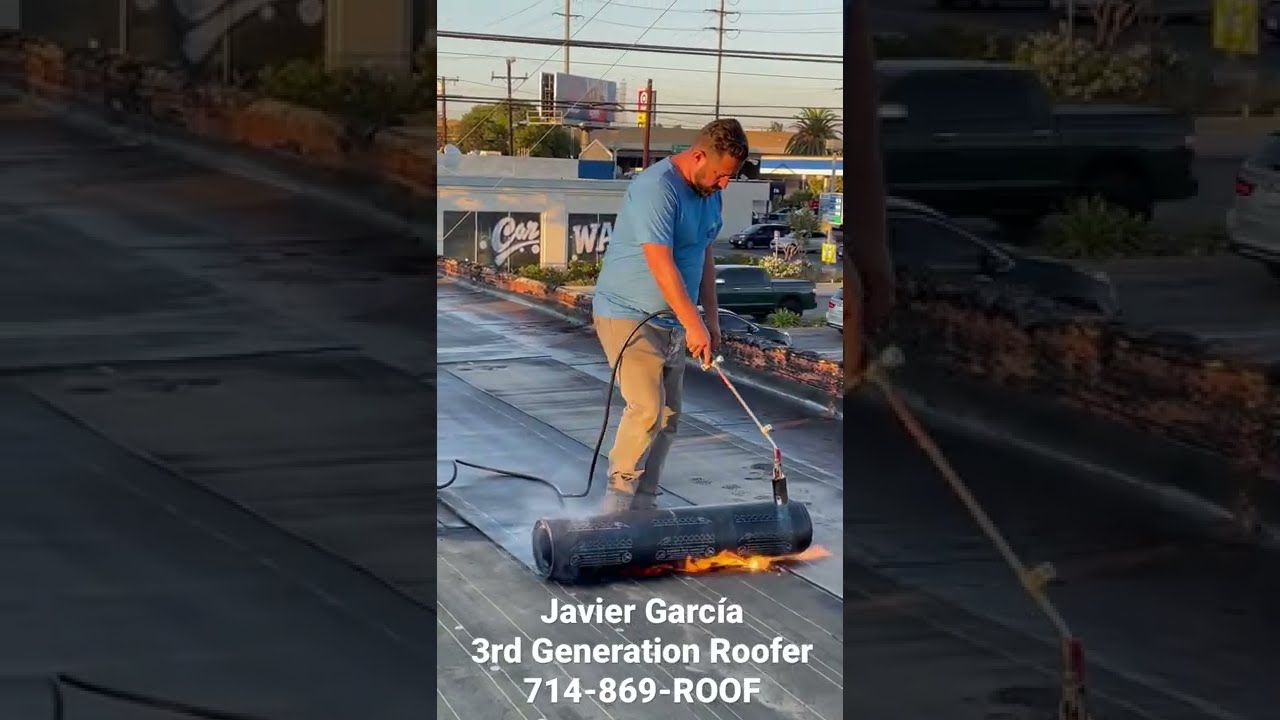
Cost Factors Associated with Roof Coatings
Understanding the costs involved in applying roof coatings involves considering factors like labor rates, material quality, and project size.
Average Costs Overview
Material Costs: Ranges based on type (e.g., acrylic vs silicone). Labor Costs: Depends on local market rates. Project Size: Larger roofs may benefit from economies of scale.Common Misconceptions About Roof Coatings
Many believe that once commercial roofer you apply a coating, further maintenance is unnecessary; however, regular inspections are crucial even after treatment.
Eco-Friendly Benefits of Roof Coatings
Increasingly popular among environmentally conscious builders, many modern roof coatings contain sustainable materials that reduce environmental impact without sacrificing performance.
Understanding Different Roofing Systems
Knowledge about various roofing systems will help determine the best coating option for each unique situation:
Flat Roofing Single-Ply Roofing Metal RoofingEach system has its distinct features requiring tailored solutions when it comes to effective maintenance through coatings.
Frequently Asked Questions (FAQs)
How often should I apply roof coatings?- Typically every 5-10 years depending on wear level; inspect annually.
- Yes! Many manufacturers offer warranties ranging up to 20 years depending on product quality.
- While DIY is possible, hiring professional roofing contractors ensures proper application leading to better longevity.
- Without protection layers like these roofs may suffer accelerated wear resulting in premature replacements.
- Often yes; check local regulations beforehand as they differ widely based upon location.
- Coverage depends largely upon individual policies—consult your insurer regarding specifics relating directly towards restoration efforts involving coated surfaces!
Conclusion
In summary, understanding how Roof Coatings: The Secret to Extending Your Roof's Lifespan operates within both residential contexts as well as commercial settings proves invaluable local commercial roofing companies when aiming towards maximizing value while minimizing upkeep costs effectively! With careful consideration regarding types available alongside appropriate selection criteria ensures not just immediate protection but long-term sustainability too—making it worthwhile exploring further into this vital enhancement avenue today! By leveraging insights shared herein alongside proper installation techniques followed up by routine checks allows one’s property investments truly shine through ensuring lasting safety via enhanced durability year after year!